
The earth here is the color of dried blood. It stains the soles of boots, the bark of the pines, the walls of the villages between Brignoles and Tourves; it stained, most of all, the faces of the men who worked beneath it, and gave them their name — the gueules rouges, the red faces. For a little over a century, Provence sat on one of the great ore bodies of the industrial world, and the red earth of the Var went into the sky as aircraft, over rivers as bridges, and into kitchens as the humblest saucepan. This is a journey into that ground: what it is, how it got there, who brought it out, and what remains.
I. A Hundred Million Years of Weather
Bauxite is not a mineral but a residue — the insoluble remainder left behind when tropical rain works on rock for spans of time that make human history look like an afternoon. In the Cretaceous, when this coastline lay under a warmer sky, the limestone plateaus of Provence weathered down to a rich lateritic soil, its aluminum oxides concentrating as everything more soluble washed away. The interactive cross-section below moves through that history layer by layer: the karst pockets that trapped the ore, the pisolites — small red spheres like fossilized rain — that give the rock its texture, and the overburden that later sealed the deposit until the nineteenth century came looking.
II. The Rock Named for a Village
In 1821, the mineralogist Pierre Berthier analyzed a red, clay-like rock gathered near the hilltop village of Les Baux-de-Provence and found it unusually rich in alumina. The material would eventually take its name from the village — bauxite — one of the rare substances in the periodic economy of the modern world named for a place in Provence. Berthier could not have known what he had described: aluminum itself was still a laboratory curiosity, so difficult to refine that it was for decades more precious than gold. The feature's second chapter follows the strange half-century in which the metal of the future waited for a process worthy of it.
Napoleon III served his most honored guests with aluminum cutlery. Gold was for everyone else.
From Chapter II · The Democratic MetalIII. The Century of the Gueules Rouges
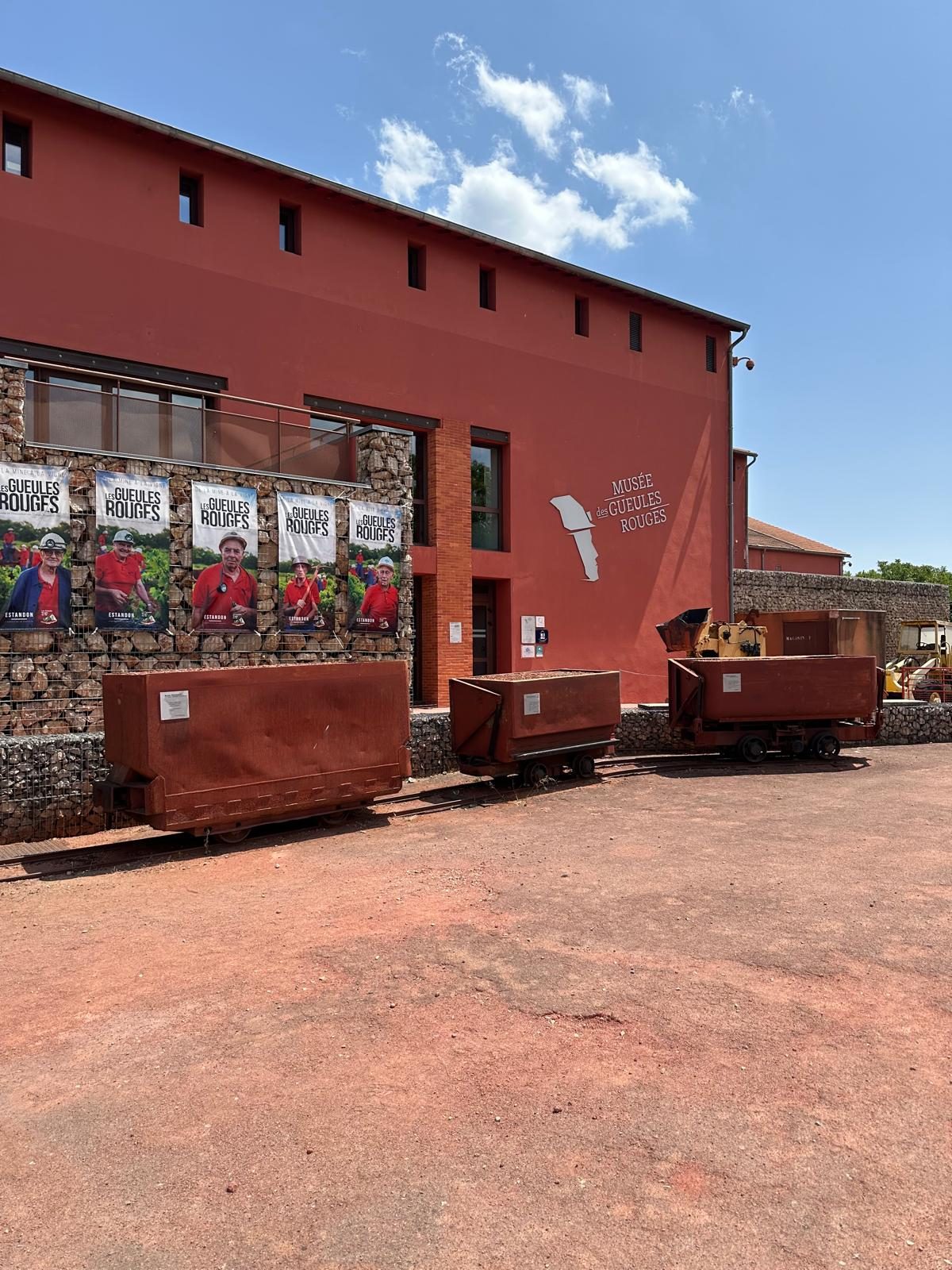
Electrolysis changed everything. Once the Hall-Héroult process made aluminum refinable at industrial scale in the 1880s, the red earth of the Var became strategic ground, and France, for a period, the leading bauxite producer on earth. The mines of the Brignoles basin ran for over a century — from hand-worked galleries to mechanized drifts — until the last Var mine closed in 1990, undercut by vast open-pit deposits in the tropics. Roughly 117 years separate the discovery of Var bauxite from that final closure: five generations of miners, whose working lives are the spine of this chapter.
We tell that century through the people who lived it — not paraphrased from the archive, but recorded in their own voices, in partnership with the museum that has made their memory its mission. The interview docket below is the working plan for the oral-history component of this feature.
- OH–01Former miners of the Brignoles basin — working lives underground: the trades, the machines, the daily descentTo record
- OH–02Mine mechanics & maintenance crews — keeping the haulage, pumps, and compressed-air systems aliveTo record
- OH–03Museum director & curators, Musée des Gueules Rouges — how a mining community becomes a collectionTo record
- OH–04Families & villages of the basin — what closure meant, and what the red earth means nowTo record
Recorded on site in the Var in partnership with the Musée des Gueules Rouges, Tourves. Regional press coverage — notably Var-matin's 2026 series on the gueules rouges — is used as background and lead-generation for interview subjects, and is cited in the sources below.
IV. The Descent
The centerpiece of the digital edition is the descent itself: a 360° tour through preserved galleries, following the route a miner would have walked — lamp room, cage, drift, face — with audio narration and ambient sound recorded underground.
V. What the Earth Keeps
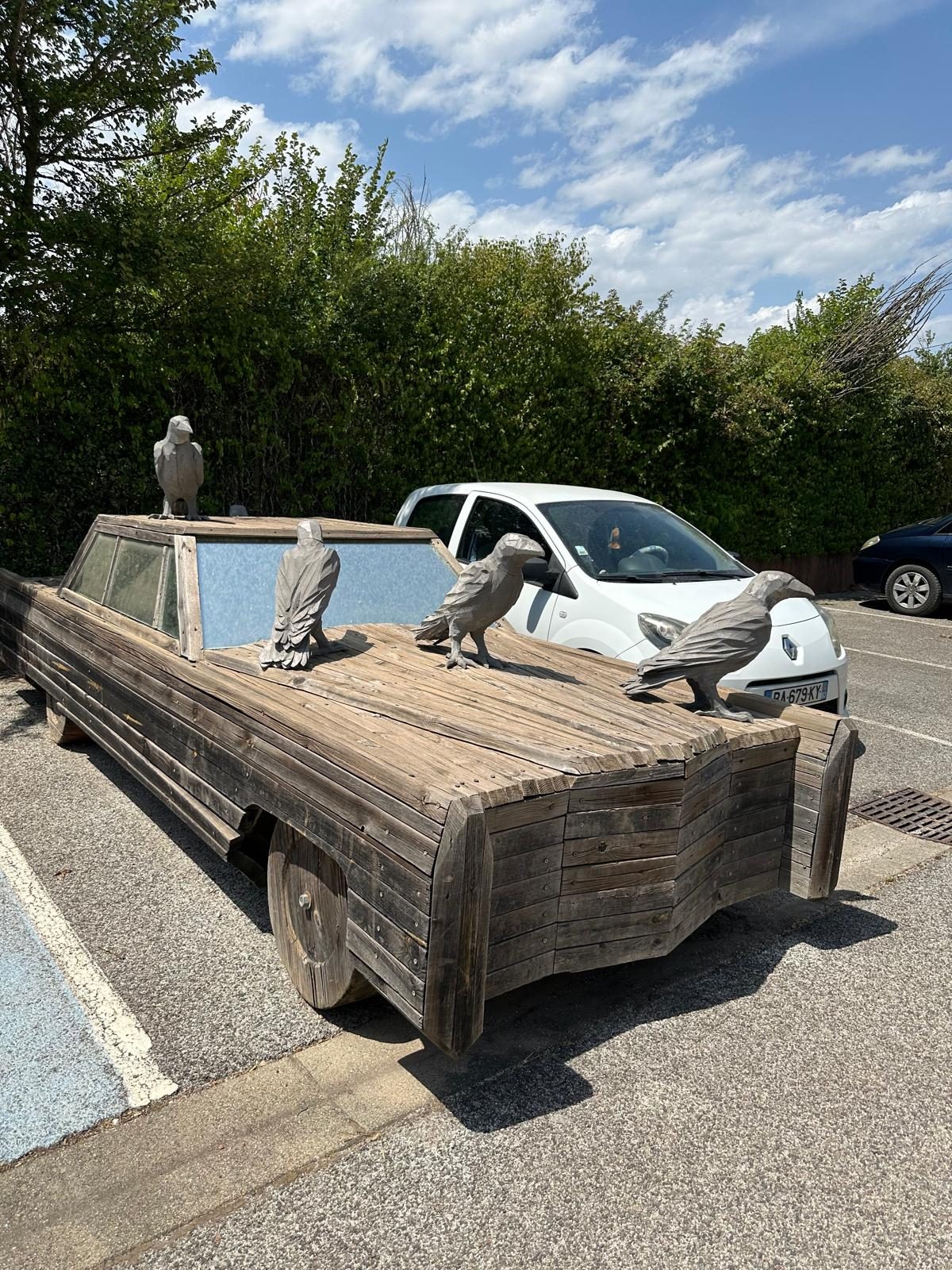
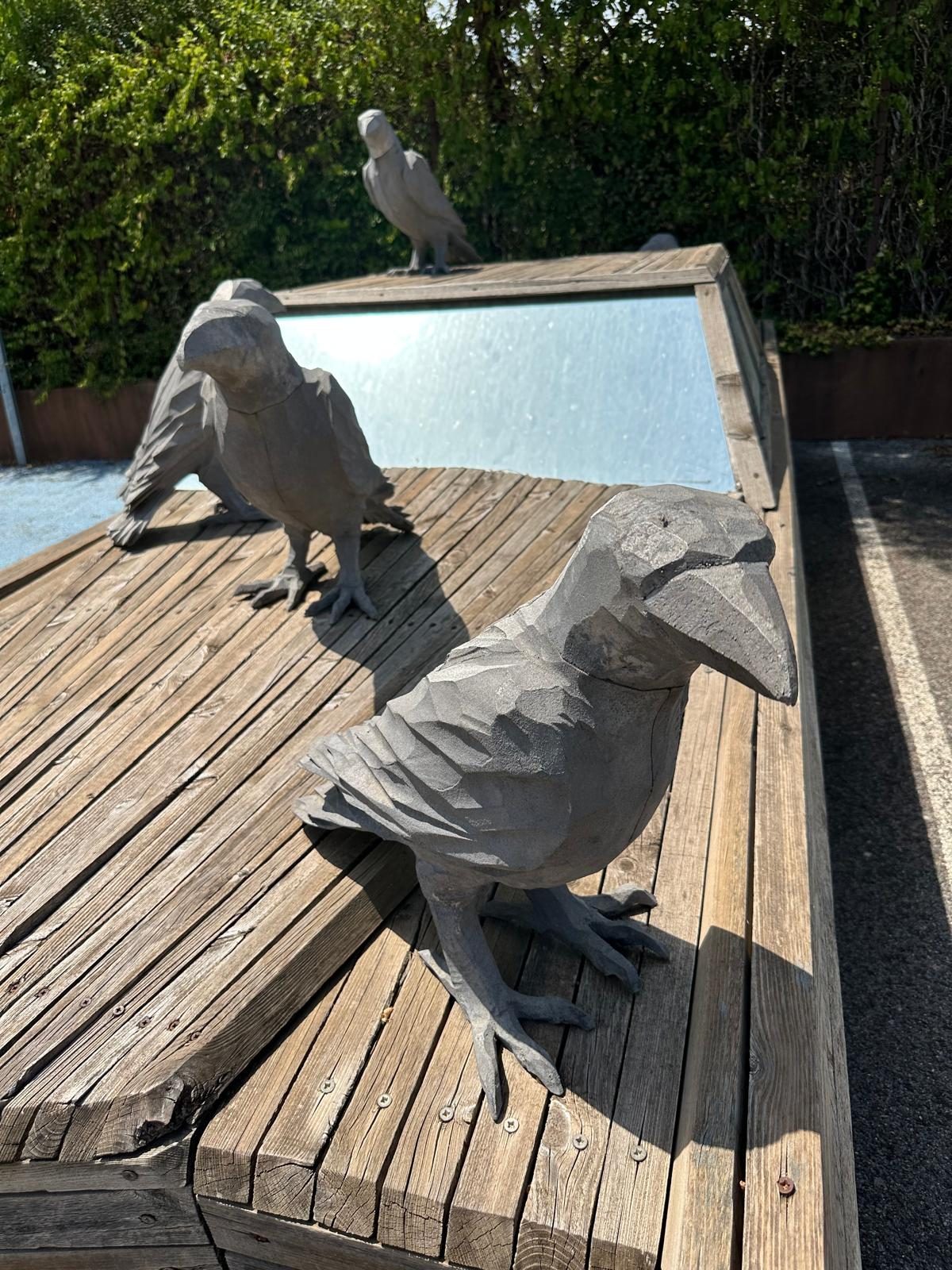
The final chapter walks the surface: the restored mining landscapes returning to garrigue and vineyard, the headframes and machines preserved as monuments, and the museum in Tourves where the story is kept. It closes where the magazine's interests converge — on provenance. A bar of aluminum has an ancestry as traceable as a painting's: from a Cretaceous rainstorm to a Provençal hillside to a smelter to a wing. The red earth is a provenance document a hundred million years long, and the gueules rouges are among its authors.